Fashion Product Photography
Elevate your fashion brand with AI product photos that look like a full editorial shoot. Studio whites, lifestyle contexts, flat lays , all without a photographer.
Get 5 photos for free
💳 no credit card needed
Tips for Fashion Product Photography
Whether you are shooting with a professional setup or generating photos with AI, these tips will help you get the most out of your fashion product visuals.
Use a neutral background (white, grey, or light beige) to keep the focus on the product and make editing easier.
Shoot in natural light near a window, or use softbox lights to get diffused, even lighting that minimises harsh shadows.
Always shoot on a tripod to avoid blur, especially for close-up or macro shots where small movements are magnified.
Capture multiple angles: front, back, side, top-down, and a close-up detail shot. Customers want to see everything.
Keep your colour profile consistent across all product photos so your catalogue looks cohesive on product pages.
Clean the product thoroughly before shooting. Fingerprints, dust, and smudges are amplified under studio lighting.
Use a shallow depth of field to isolate the product and create a professional, polished look.
Edit for consistency: adjust exposure, white balance, and contrast uniformly so all photos feel part of the same shoot.
AI-generated. Indistinguishable from studio.
Fashion Product Photography Examples
Real product photos generated by Yuzuu for fashion brands. No studio, no photographer, no waiting.
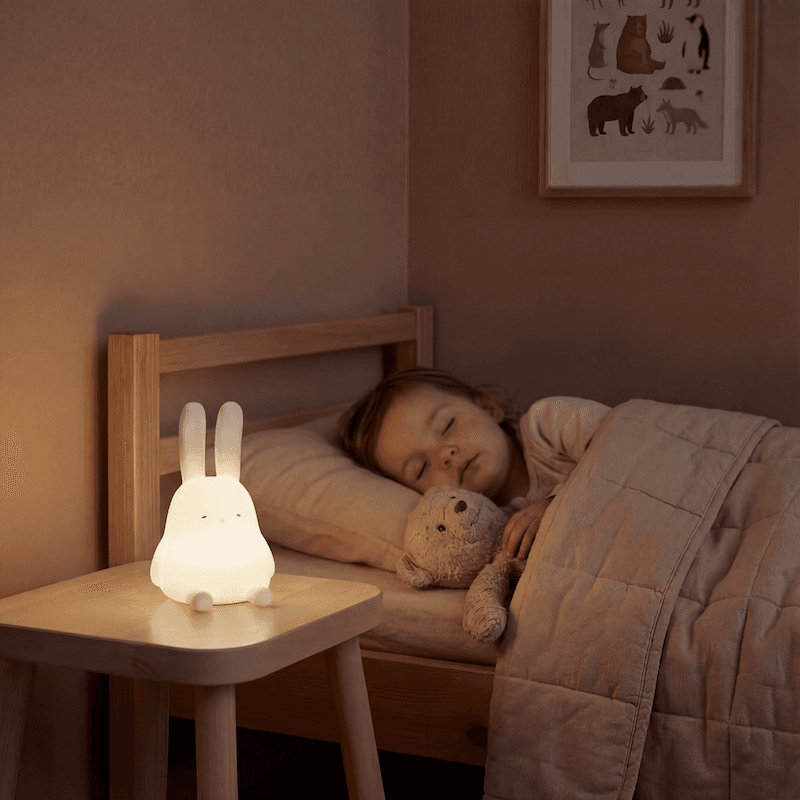
Studio product photography
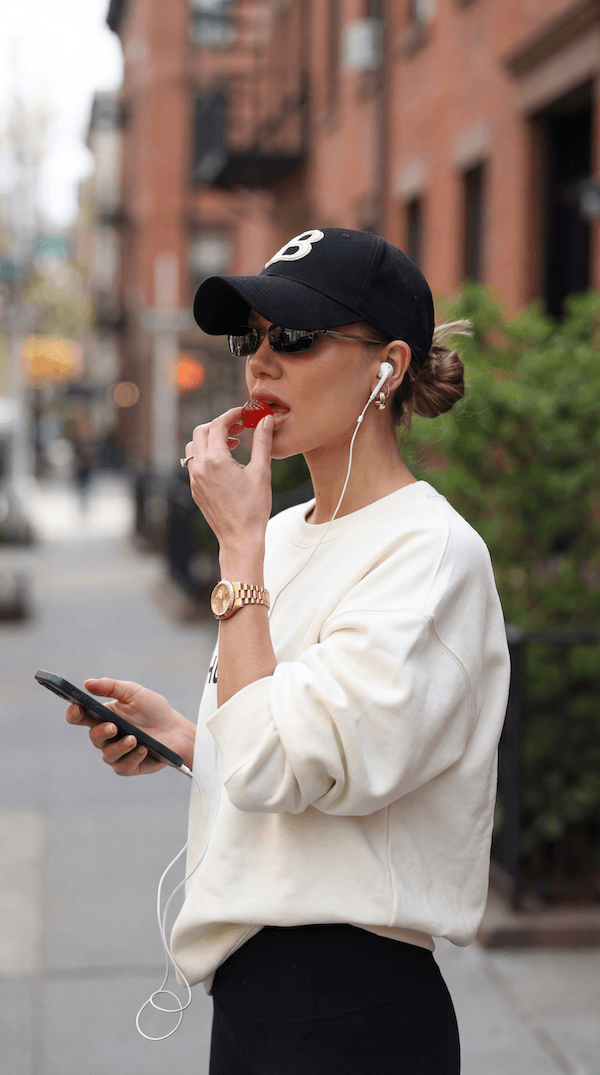
Lifestyle product photography
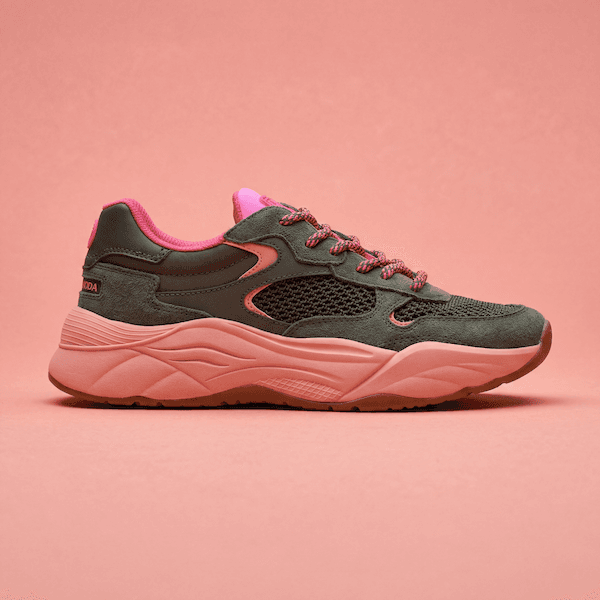
Clean studio photography
Best Fashion Product Photography Styles
The three visual styles that work best for fashion brands, and why.
Lifestyle
Places garments in real-world contexts so customers can visualise fit, styling, and occasion use.
Studio
Controlled studio lighting on neutral backgrounds keeps catalogue shots consistent and professional.
Flatlay
Overhead flat lays are highly shareable on social media and show folded items and accessories at their best.
How it works
Three steps. No studio. No photographer. Just great product photos.
Here, you create studio and lifestyle photos so realistic people don't question them.
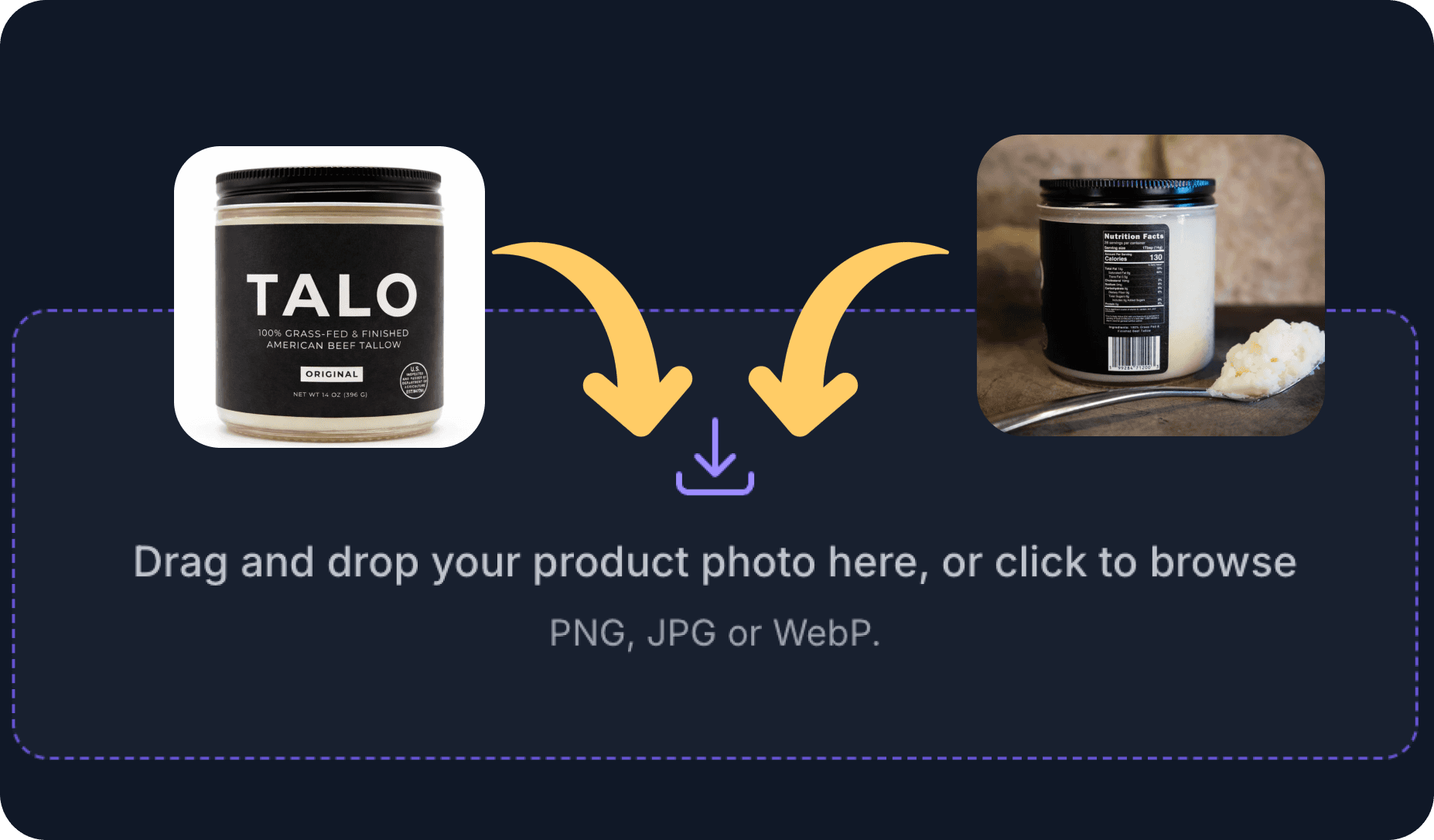
1. Upload your product photos
PNG, JPG, or WebP format. Up to 10 photos at a time.
Takes 2 seconds.
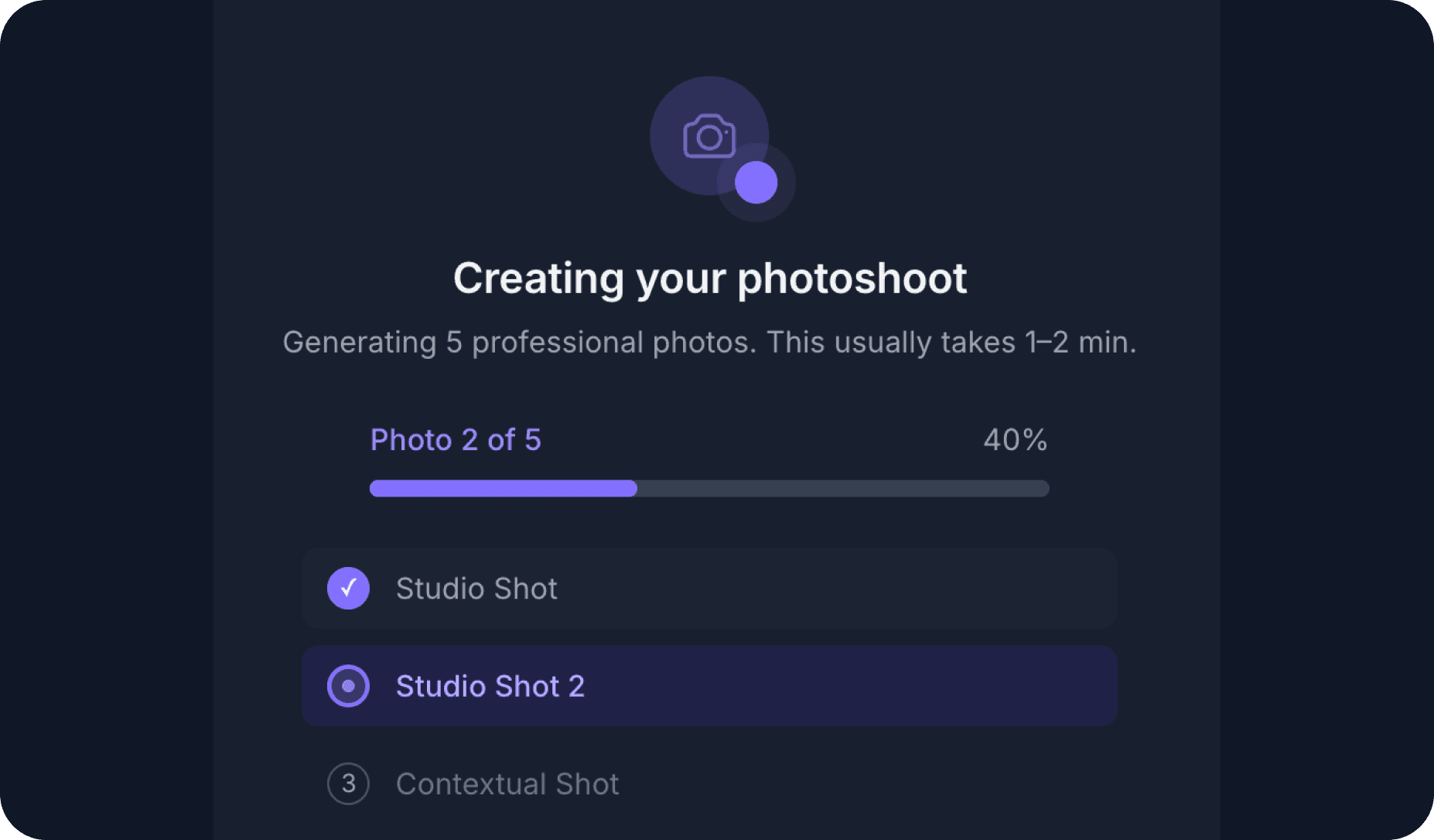
2. Our AI Creative Director does the magic
Your product is integrated into ultra-realistic scenes to improve the trustworthiness of your brand.
Takes 30 seconds.
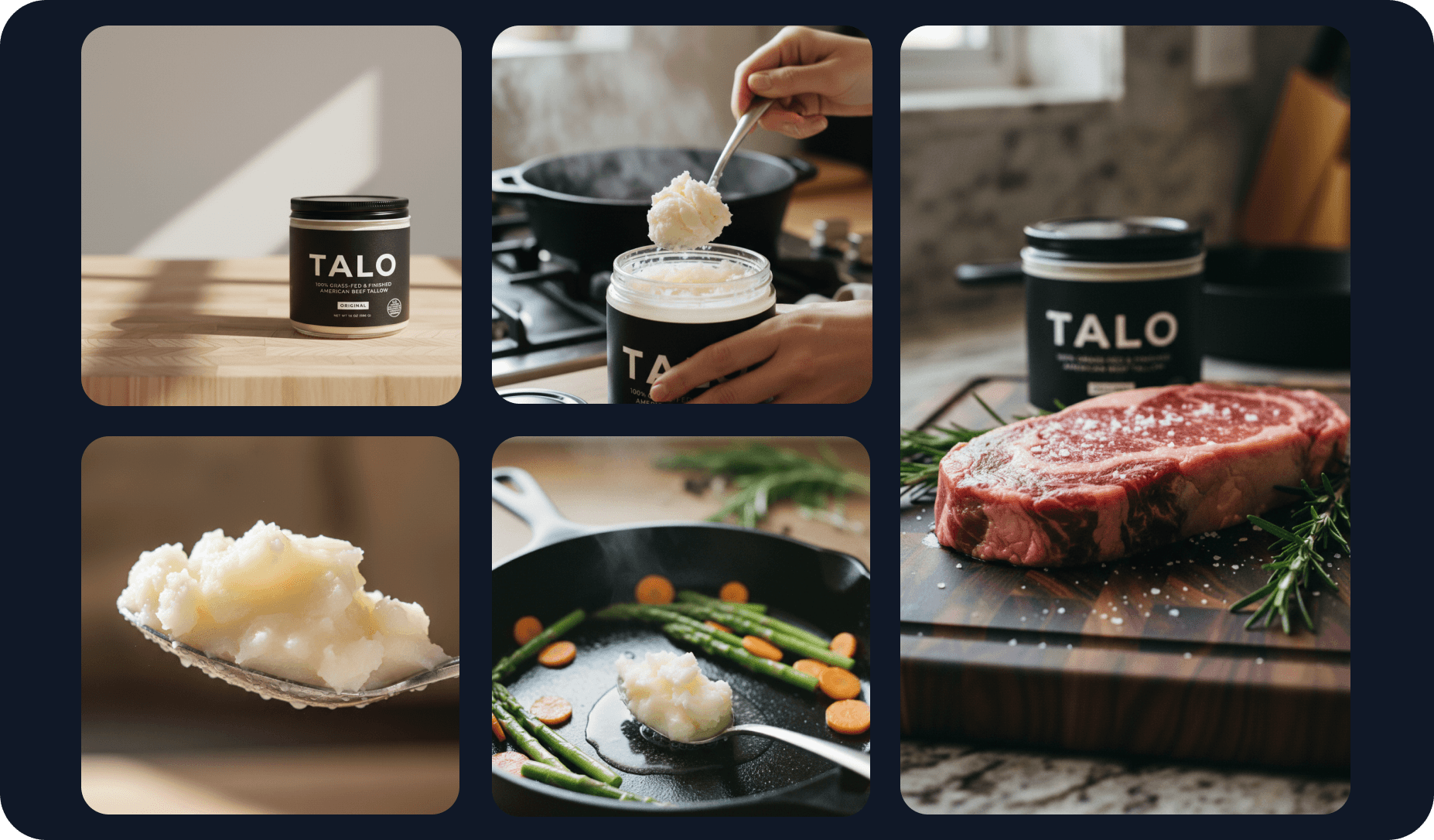
3. Your photoshoot is ready
You finally can use pictures that don't make you look like a fraud.
+12.68% conversion rate improvement, based on 50+ customers' use cases.
Your first photoshoot for free
50+ brands improved conversions by an average of 12.68%. Will you do better?
Give it a try now →
💳 No credit card needed
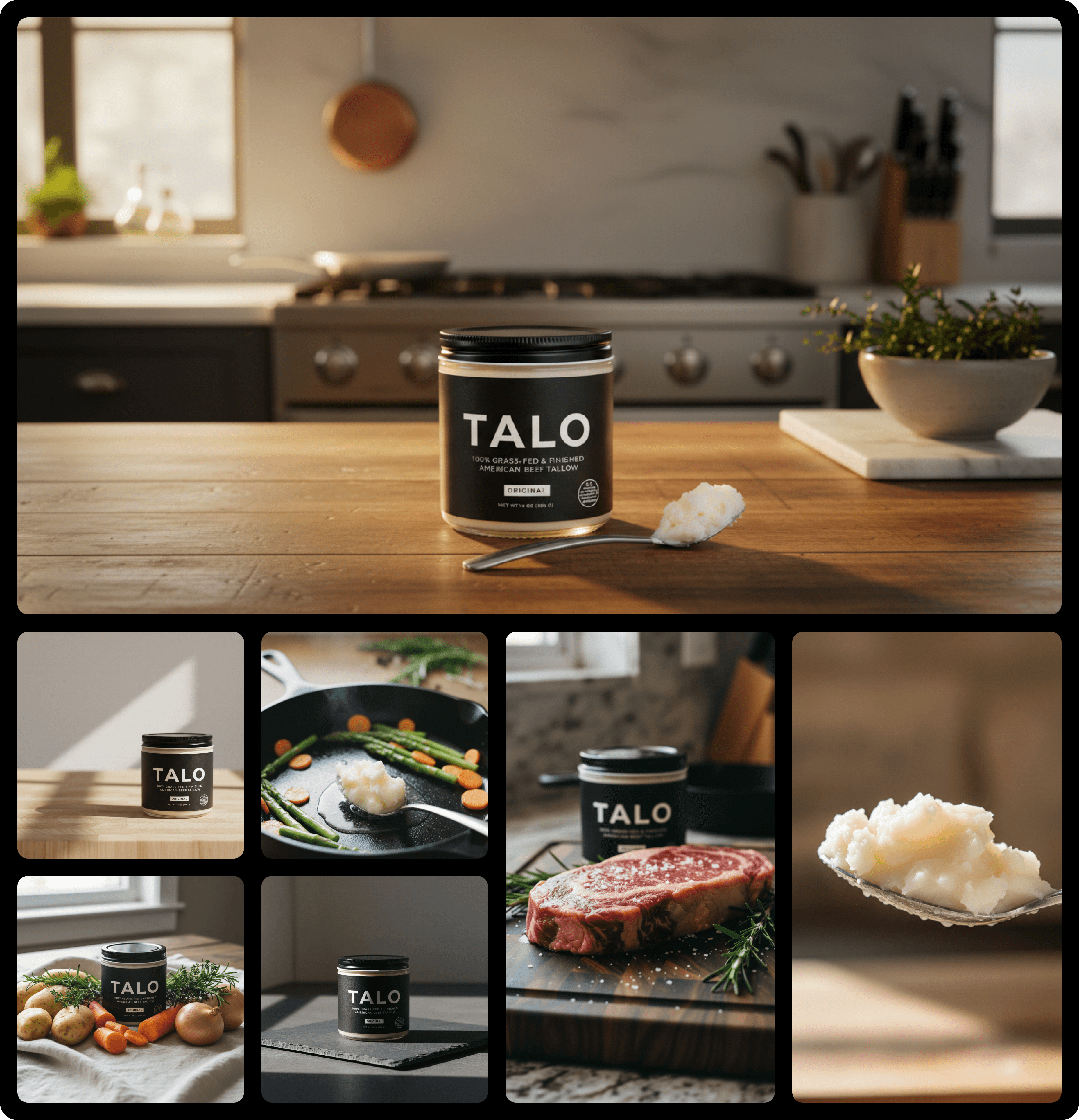
Product Photography By Industry
Product photography tailored to your sector: beauty, fashion, electronics, food, and more.
Fashion Product Photography FAQ
Common questions about fashion product photography, answered.
There are three main formats: on-model (worn by a real or AI-generated model), ghost mannequin (the product shot on an invisible mannequin to show shape and fit), and flat lay (the garment laid flat, shot from above). Each has its place.
On-model photography converts best because it shows fit and styling in context. Ghost mannequin is the most cost-effective for catalogues. Flat lays are highly shareable on social media and work well for accessories and folded items.
Ghost mannequin (also called invisible mannequin) photography involves shooting the garment on a mannequin, then removing the mannequin in post-processing so the clothing appears to float naturally. It is faster and cheaper than model photography but still communicates fit.
Flat lays are another approach: the garment is pressed, arranged neatly, and photographed from directly above. This works especially well for accessories, t-shirts, and items where drape and movement are less important.
AI can place your fashion products on virtual models, generate lifestyle backgrounds, and create consistent visual presentations across an entire collection without booking a studio or casting models. This is particularly valuable for independent brands and high-volume catalogues.
For fashion brands, the ability to show the same item in multiple contexts , street style, studio white, editorial , without reshooting is a significant competitive advantage when launching new collections.